The rising incidence of oral cancer globally presents a significant public health challenge, with profound implications for both the dental profession and the care provided to every patient. Understanding this concerning trend is crucial for enhancing preventative strategies, improving early detection rates, and ensuring comprehensive patient management within modern dental practice. This article will explore the realities of increasing oral cancer diagnoses and what this means for you as a dental patient.
Understanding the Trend: Key Statistics and Evolving Risk Factors for Oral Cancer
Recent data indicate a noticeable increase in oral cancer cases worldwide, with certain demographics—particularly younger adults and women—experiencing rising rates. Traditional risk factors such as tobacco use and excessive alcohol consumption remain significant contributors. However, emerging factors like human papillomavirus (HPV) infection have dramatically shifted the landscape, accounting for a growing proportion of oropharyngeal cancers. Additionally, lifestyle changes and environmental exposures play evolving roles. For dental professionals, staying informed about these trends is essential to identify at-risk patients early and tailor screening protocols effectively. Understanding the complex interplay of these risk factors empowers both clinicians and patients to prioritize prevention and early intervention strategies.
The Dental Professional’s Crucial Role: Comprehensive Oral Cancer Screenings and Early Detection
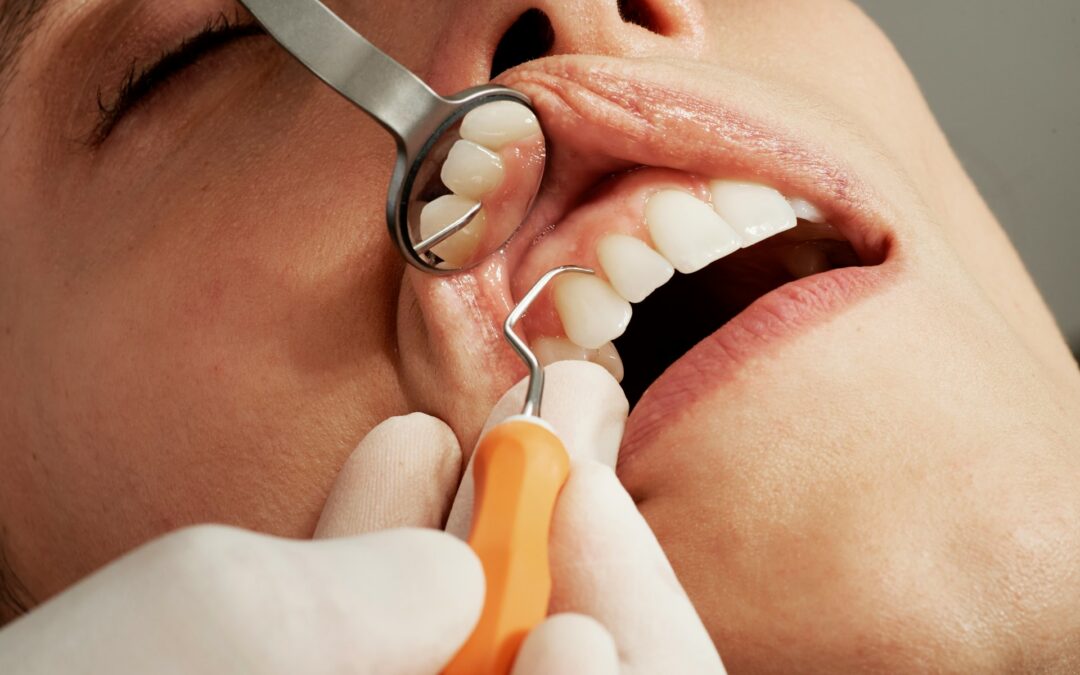
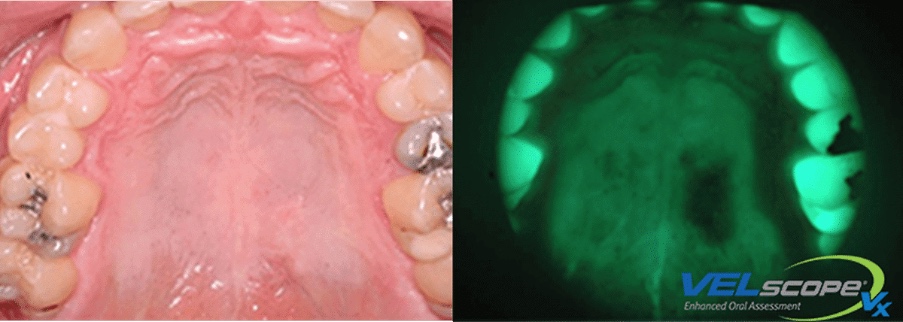
Dental professionals are uniquely positioned to detect oral cancers in their earliest stages, significantly improving patient outcomes. Comprehensive oral cancer screenings are integrated with routine dental examinations, including thorough visual and tactile assessments of the oral cavity, oropharynx, and surrounding tissues. Utilization of adjunctive diagnostic tools can enhance detection accuracy. Given the increasing incidence of HPV-related cancers, dental practitioners must also be vigilant in recognizing subtle lesions and high-risk presentations. Early identification facilitates timely referrals for biopsy and treatment, reducing morbidity and mortality. By fostering patient education and risk awareness during dental visits, clinicians can further support prevention efforts and encourage proactive healthcare behaviors.
In the past month, our office has seen two cases of oral cancer that we asymptomatic. They were discovered during their regular hygiene visits. In both cases these were men over 60.
Empowering the Dental Patient: Recognizing Warning Signs and Proactive Oral Health Strategies
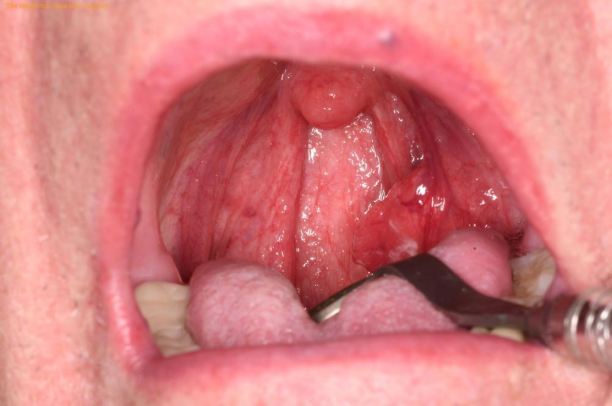
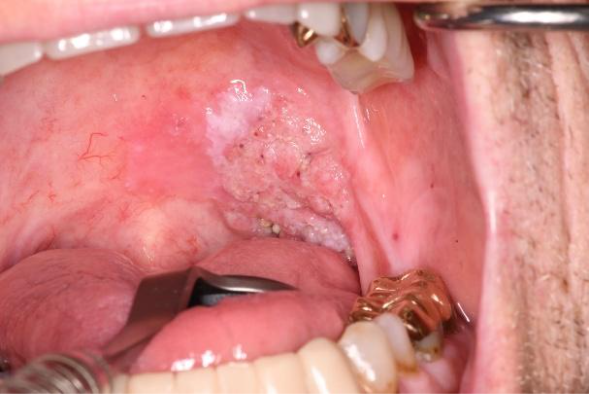
Empowering patients to recognize early warning signs of oral cancer is crucial in combating its rising incidence. Dental professionals should educate patients on symptoms such as persistent sores, unexplained lumps, red or white patches, and difficulty swallowing or speaking. Encouraging regular self-examinations increases the likelihood of early detection between dental visits. Additionally, promoting proactive oral health strategies—like tobacco cessation, limiting alcohol consumption, maintaining a balanced diet, and practicing excellent oral hygiene—can significantly reduce risk. By equipping patients with knowledge and preventive tools, dental practitioners foster a collaborative approach to oral cancer prevention, ultimately improving long-term patient outcomes.
The Impact of Early Diagnosis: Improved Prognosis and Treatment Outcomes for Oral Cancer
Early diagnosis of oral cancer profoundly influences treatment success and patient prognosis. When detected in initial stages, oral cancers are more amenable to less invasive therapies, resulting in higher survival rates and better quality of life. Dental professionals play a pivotal role by incorporating routine oral cancer screenings during examinations, enabling timely identification of suspicious lesions. Early intervention allows for more conservative surgical approaches, reduced need for extensive radiation or chemotherapy, and minimizes functional impairments. Additionally, prompt diagnosis limits disease progression and metastasis, thereby decreasing overall morbidity. Emphasizing early detection not only enhances clinical outcomes but also reduces healthcare costs and emotional burden for patients, underscoring the indispensable role of vigilant dental care in combating oral cancer.
Prevention and Future Outlook: Lifestyle Modifications and Advancements in Oral Cancer Care
Preventing oral cancer hinges largely on lifestyle modifications. Patients are encouraged to eliminate tobacco use, limit alcohol consumption, maintain a balanced diet rich in antioxidants, and practice rigorous oral hygiene. Public health initiatives promoting HPV vaccination also contribute significantly to reducing oral cancer risk. Looking ahead, advances in molecular diagnostics and personalized medicine hold promise for earlier, more precise detection and targeted therapies. Innovations such as salivary biomarkers and artificial intelligence-enhanced imaging are revolutionizing screening processes, enabling dental professionals to identify malignancies with unprecedented accuracy. Together, these preventive strategies and technological advancements will enhance patient outcomes, decrease incidence rates, and transform oral cancer care into a more proactive, patient-centered discipline.
Collaborative Efforts for Enhanced Oral Health and Patient Safety Against Oral Cancer
The rising incidence of oral cancer underscores the necessity for a collaborative approach among dental professionals, medical practitioners, and patients. Comprehensive education, regular screenings, and prompt referrals are critical components of effective management. By integrating cutting-edge technologies with preventive care, dental teams can play a pivotal role in early detection and intervention. Ultimately, fostering open communication and shared responsibility enhances patient safety and improves prognoses. As oral health care evolves, sustained cooperation and commitment across disciplines remain essential to combatting oral cancer’s growing threat and safeguarding patient well-being.