
Dental health plays a crucial role in overall well-being, yet many people have questions and concerns regarding their oral care. Addressing common dental FAQs can lead to better understanding and proactive management of oral health. Below, we explore some prevalent topics, including dental problems, prevention strategies, and signs of potential emergencies.
What are the most common dental problems?
Many individuals experience dental issues throughout their lives. The most frequent problems include cavities, gum disease, and tooth sensitivity. Cavities, caused by tooth decay and plaque buildup, can lead to discomfort and require restorative treatments. Gum disease, which often starts with gingivitis, can progress to more severe forms if not treated, affecting both oral and systemic health. Additionally, tooth sensitivity may arise due to enamel erosion or gum recession, making hot and cold foods uncomfortable.
How can I prevent cavities and gum disease?
Maintaining good dental hygiene is essential for preventing cavities and gum disease. This starts with regular brushing (electric toothbrush) and flossing (add a water flosser) to remove plaque and food particles. Using fluoride toothpaste or nanohydroxyapatite toothpaste can also strengthen enamel and assist in cavity prevention. It’s beneficial to limit sugary snacks and beverages, as they contribute to tooth decay. Regular dental check-ups and cleanings are vital for catching any issues early and receiving professional advice on maintaining optimal oral health. Often times, both of these dental issues could be asymptomatic (no symptoms). By the time pain or discomfort arises, you could be looking at more extensive/expensive treatment. Early detection is key.

What are the signs of a dental emergency?
A dental emergency can occur unexpectedly and requires prompt attention. Common signs include severe toothache, uncontrolled bleeding, swelling around the teeth, gums and/or face, and broken or knocked-out teeth. If you experience any of these symptoms, it’s critical to seek immediate dental care to prevent further complications and alleviate pain.
Maintaining Optimal Oral Hygiene: Daily Practices & Preventative Care
Good oral hygiene is not just about having a bright smile; it plays a crucial role in overall health and wellbeing. Understanding the daily practices and preventative care strategies can help you maintain optimal oral health. Here we discuss key practices to keep your teeth and gums healthy.
Proper Brushing and Flossing Techniques
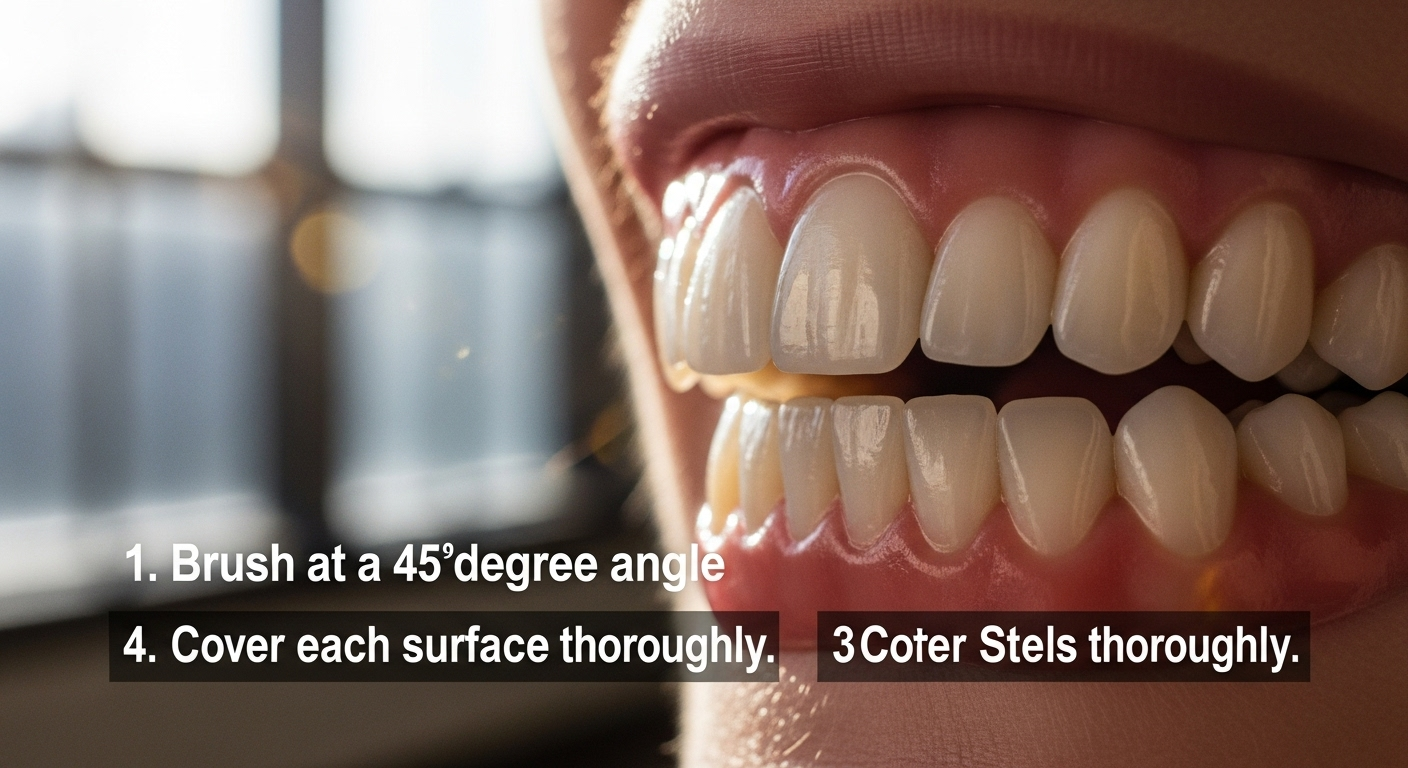
Using the right techniques for brushing and flossing is essential for effective oral hygiene. It is recommended to brush your teeth at least twice a day with fluoride or nanohydroxyapatite toothpaste, focusing on all surfaces of the teeth. Use soft, circular motions and remember to replace your toothbrush every three to four months. Utilizing an electric toothbrush is best as it is able to remove more plaque than a a manual brush. Flossing daily is equally important as it helps remove food particles and plaque from between the teeth and below the gumline where your toothbrush cannot reach. Add a water flosser to your regiment dramatically improves gum health. This combination of brushing and flossing helps reduce the likelihood of tooth decay and gum disease.
Importance of Regular Dental Checkups
Regular dental checkups and professional cleanings are vital in maintaining your oral health. Visiting your dentist a minimum of every six months allows for early detection of potential issues such as cavities or gum disease. During these appointments, dental professionals can provide thorough cleanings, tartar removal, and personalized advice based on your oral health condition. Additionally, they can guide you on the appropriate oral hygiene practices tailored to your needs, ensuring you stay on the right path to maintaining optimal dental health. Sometimes, patients want to forgo dental x-rays, however the value of x-rays is early detection of asymptomatic issues before they become larger, more painful problems.
The Role of Diet and Lifestyle
Diet and lifestyle choices significantly impact your dental health. Consuming a balanced diet rich in vitamins and minerals supports strong teeth and gums. Limit sugary snacks and beverages, which can contribute to tooth decay. Also, staying hydrated is crucial; water helps wash away food particles and bacteria. Avoiding tobacco products is another vital aspect of maintaining oral health, as smoking can lead to gum disease and other dental issues. By adopting healthy dietary habits and a clean lifestyle, you can support your oral hygiene goals.
Teeth Whitening Options and Considerations
Achieving a brighter smile is a common goal for many individuals, and teeth whitening has become a popular choice. However, with various methods available, understanding the best option for your needs is essential. In this section, we will explore different teeth whitening techniques, along with their risks, benefits, and common misconceptions.
Exploring Different Teeth Whitening Methods
Teeth whitening can be broadly categorized into at-home and professional treatments. At-home options often include whitening strips, gels, and toothpaste with mild bleach. These products are convenient and can be used at your own pace. In contrast, professional whitening is performed by a dentist and often delivers quicker, more noticeable results. Treatments such as in-office bleaching can whiten teeth several shades in just one visit, making it a sought-after choice for those seeking immediate results.
Understanding the Risks and Benefits of Each Teeth Whitening Option
While at-home products offer convenience and can be cost-effective, they may take longer to show results and won’t be as powerful as professional treatments. Moreover, some individuals may experience sensitivity. On the other hand, professional whitening is overseen by a qualified dentist, which can minimize the risk of complications. However, it typically comes at a higher price point. Weighing these pros and cons will help you make a more informed decision on which method aligns with your dental goals.

Addressing Common Concerns and Misconceptions About Teeth Whitening
Many people harbor misconceptions about teeth whitening, including its safety and effectiveness. Some may worry that it damages tooth enamel; however, when performed correctly, whitening is safe for most individuals. Another common concern is the longevity of results. While whitening treatments can provide significant immediate change, maintaining a bright smile requires ongoing oral care practices, including regular dental checkups and avoiding staining foods and beverages.
Oral Health and Overall Well-being: The Connection
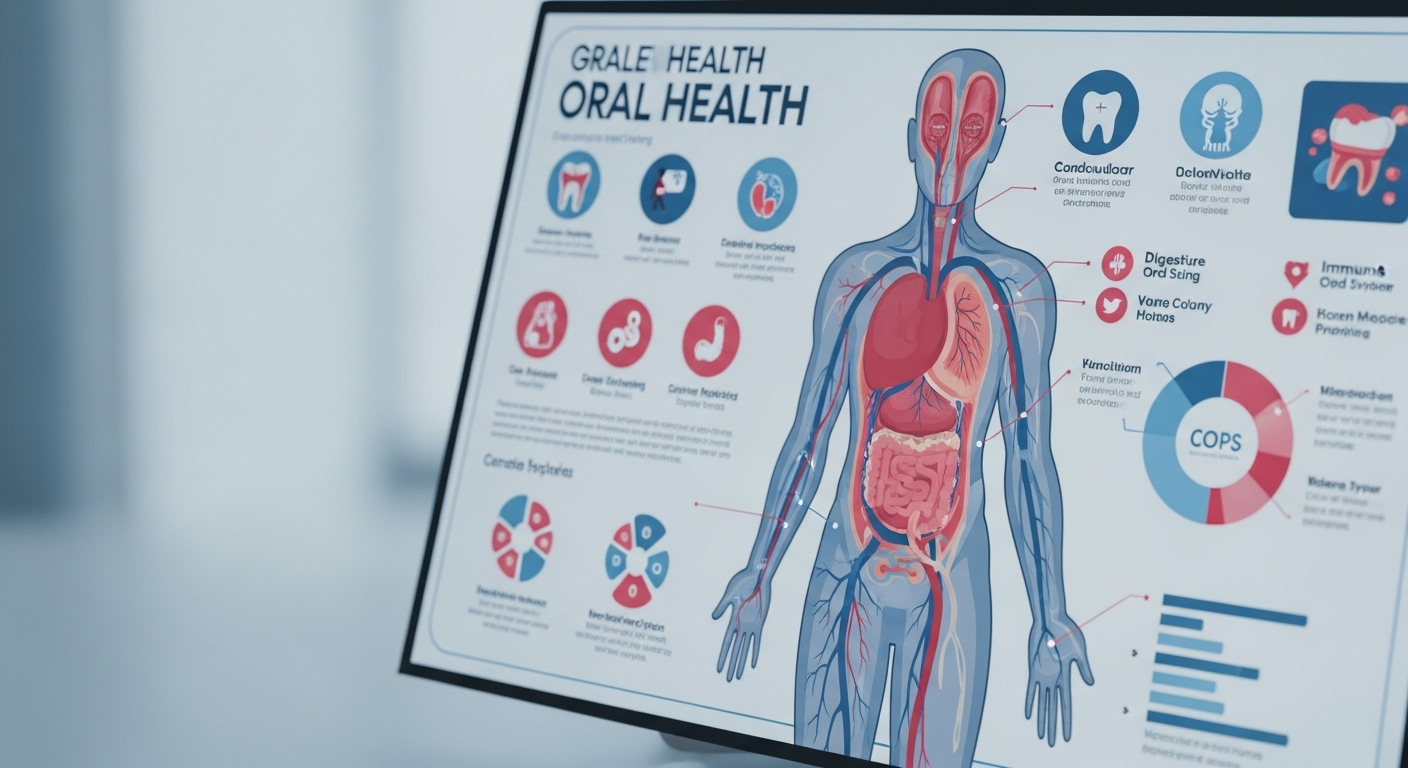
Oral health is not only important for maintaining a bright smile but is also crucial for overall well-being. Numerous studies have established a compelling link between oral health and various systemic health issues. When dental problems arise, they can significantly impact your general health, making it vital to address any concerns promptly.
The Link Between Gum Disease and Systemic Health Issues
Research highlights that gum disease can significantly influence systemic health conditions, such as diabetes and heart disease. When the gums become infected, bacteria can enter the bloodstream and potentially contribute to other serious health issues. For instance, individuals with diabetes often experience complications with their gums, making it even more essential to manage oral health to maintain overall well-being.
How Untreated Dental Problems Can Impact Overall Health
Ignoring dental issues can have far-reaching effects beyond the mouth. Untreated cavities, for example, can lead to infections that might require more intensive treatments, such as root canals or extractions. This can also cause pain and discomfort, which can disrupt daily life and lower one’s quality of living. Likewise, untreated gum disease can lead to tooth loss, affecting eating habits and nutrition.
The Importance of Addressing Oral Health Concerns Promptly
Timely attention to oral health issues can prevent more severe complications in the future. Regular check-ups with your dentist allow for early detection of problems, facilitating interventions that can safeguard both your teeth and gums. Prioritizing your dental health is a proactive measure towards ensuring that your overall well-being remains intact.
Common Dental Procedures: What to Expect
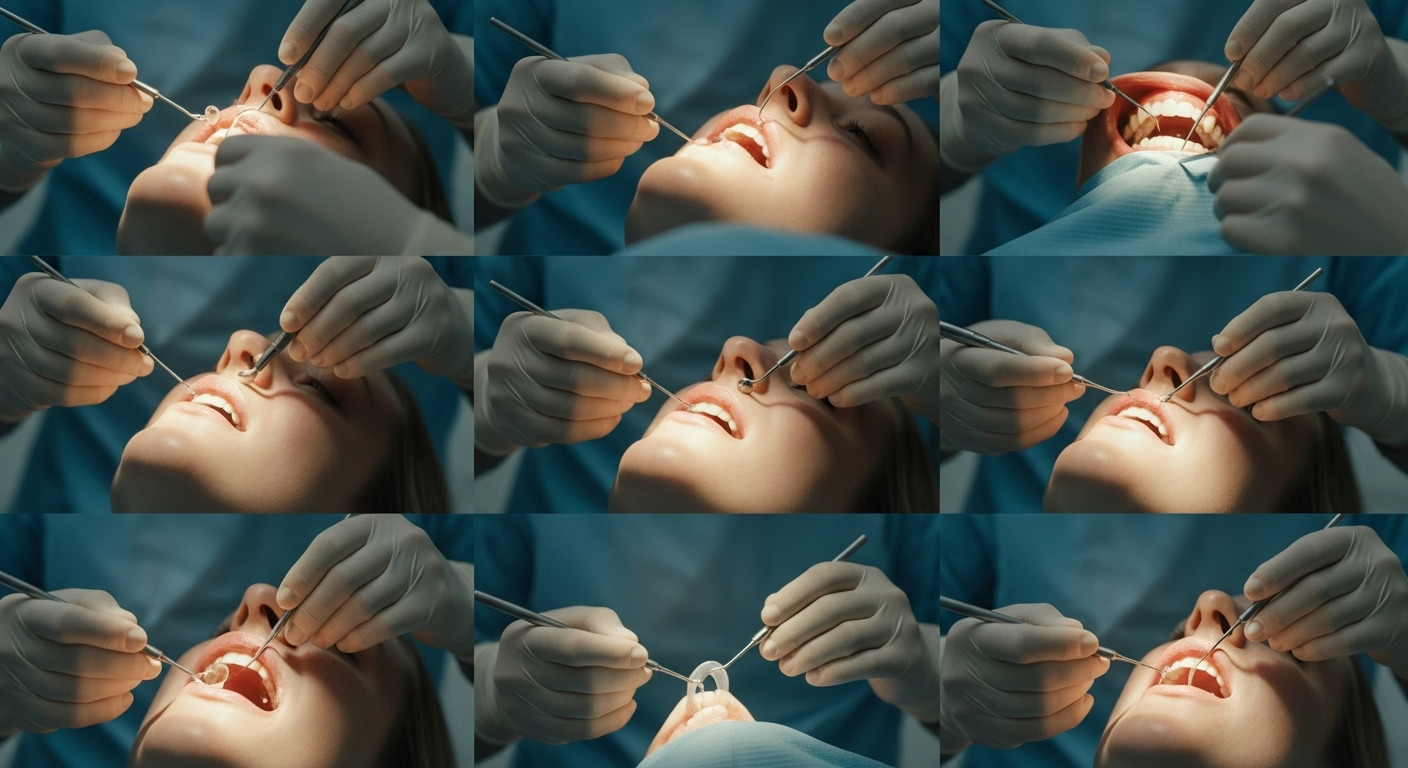
Understanding dental procedures can alleviate anxiety and prepare you for what lies ahead. Whether you are facing a simple filling or a more complex cosmetic procedure, knowing what to anticipate can make a significant difference in your experience. This section will guide you through some common dental procedures, helping you feel more at ease during your visit.
Dental Fillings, Crowns, and Root Canals
Dental fillings are often necessary when decay has damaged a tooth. During the process, your dentist will remove the decayed portion, clean the area, and fill it with a material, usually composite resin as it is a biocompatible (bond to existing enamel). Crowns, on the other hand, are required when a tooth is severely damaged or after a root canal to restore its strength, shape and functionality. The dentist will shape your tooth accordingly and place a customized crown over it.
A root canal is performed to remove infected pulp from within the tooth. This procedure involves numbing the area, extracting the infected pulp, cleaning the canal, and filling it with a special material to seal it off.
Tooth Extractions and Wisdom Teeth Removal
Tooth extractions may be necessary for various reasons, such as decay, overcrowding, or infection. The dentist will administer anesthesia to minimize discomfort. Wisdom teeth removal is particularly common as they often become impacted or misaligned. This procedure may require additional care to ensure proper recovery.
Consequences of Missing Teeth
Missing teeth can lead to several consequences that impact both oral health and overall well-being. Here are some of the key consequences:
- Jawbone Loss: The jawbone can start to deteriorate when teeth are lost, as roots stimulate bone maintenance. This can lead to further tooth loss and changes in facial structure.
- Difficulty Chewing: Missing teeth can make it challenging to chew food properly, leading to changes in diet, which may affect nutrition.
- Shift of Adjacent Teeth: Teeth surrounding the gap may shift over time, leading to misalignment and bite issues, which can cause discomfort or pain.
- Speech Problems: Missing teeth can affect pronunciation and the clarity of speech, potentially leading to communication difficulties.
- Increased Risk of Cavities and Gum Disease: Gaps between teeth can accumulate food particles and plaque, increasing the likelihood of dental problems.
- Decreased Self-Esteem: The aesthetic impact of missing teeth can affect an individual’s confidence and self-esteem, leading to social anxiety or withdrawal.
- Possible Headaches and Jaw Pain: Misalignment due to missing teeth can contribute to tension, headaches, and jaw pain, affecting overall comfort and quality of life.
Cosmetic Dentistry Options
If you’re looking to improve the appearance of your smile, cosmetic dentistry offers several options. Veneers are thin shells placed over the front surface of teeth to correct imperfections like chips, gaps, or discoloration. Crowns are another option that may be necessary to strengthen the existing tooth structure due to fractures or the replacement of previous bonding or composite fills. Both procedures can dramatically improve your smile.
Conclusion: Finding the Right Dental Care for You
Choosing the right dental care is vital for maintaining a healthy smile and overall well-being. With various options available, it’s essential to navigate this process carefully to find a dentist that meets your needs. Here are some important considerations to help guide your decision.
Tips for Choosing a Dentist
When selecting a dentist, start with recommendations from family and friends. Once you have a few options, book a consultation to assess the dental practice. During this visit, ask about their experience, the range of services they offer, and their approach to patient care. It’s also worthwhile to inquire about emergency protocols and follow-up visits to understand their commitment to patient satisfaction.
Finding Affordable Dental Care
Many people are concerned about the costs associated with dental care. Start by checking if your employer offers dental insurance. There are also community health centers and dental schools that provide affordable services. Remember to inquire about payment plans or sliding scale fees that can help ease financial burdens while ensuring you receive the care you need.
Addressing Common Anxieties
Dental anxiety is a common issue that many experience. If you have concerns about pain or discomfort, discuss them openly with your dentist. They can provide options for sedation or relaxation techniques during your visits. Many dental practices also create a comfortable environment that can help alleviate stress and make your experience more positive.
Finding the right dentist may take time, but a thoughtful approach can lead to a successful and satisfying patient experience. Prioritize your comfort and needs to ensure that your dental care is both effective and pleasant.